
A quick guide to troubleshooting common AC problems and when to call an expert.
When the sun is high and the Jersey Shore humidity sets in, nothing is more important than a reliable air conditioner. But when your AC stops working, it can be stressful. What’s causing the problem? Is it a serious repair?
At Oceanside Home Services Heating, Cooling, Plumbing & Electrical our technicians answer calls from homeowners all over the Allenhurst area. While every home is different, we often hear the same questions about a few common issues. Here are the answers to the AC problems we see the most.
Q: “Why is my air conditioner running, but it’s not blowing cold air?”
A: This is the number one call we get, and the most frequent cause is an issue with the refrigerant. Refrigerant is the lifeblood of your AC, a substance that absorbs heat from your indoor air and releases it outside. If the level is too low, your system simply can’t cool your home.
- Potential Causes: The most common reason for low refrigerant is a leak somewhere in the system’s coils or lines.
- Signs to Look For: Besides warm air, you might notice your AC runs much longer than it used to, or you hear a hissing sound near the unit.
- How Our Technicians Fix It: Simply adding more refrigerant is a temporary patch, not a real solution. Our certified technicians use electronic leak detectors to pinpoint the exact location of the leak. We then repair the hole before recharging your system to the manufacturer’s precise specifications, ensuring a lasting repair.
Q: “Why is there ice building up on my AC unit’s pipes?”
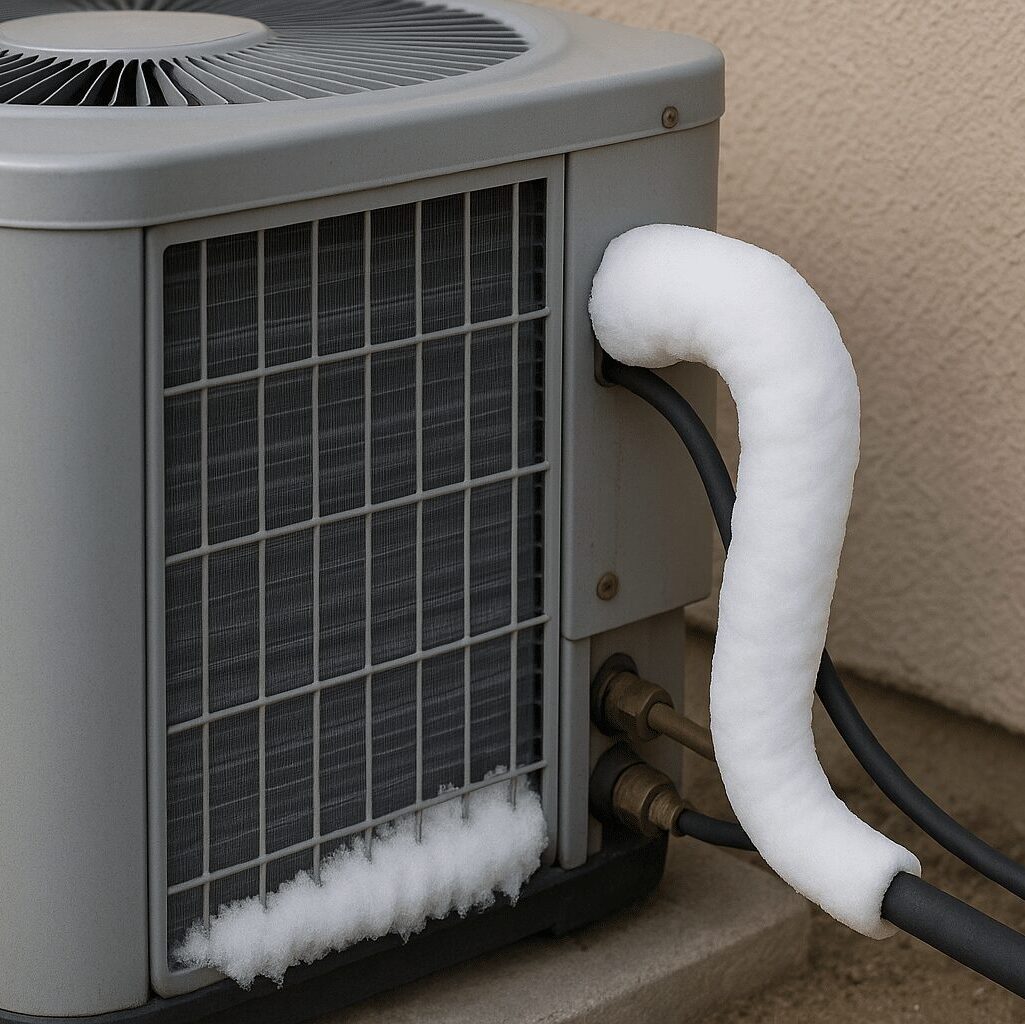
A: It’s a common myth that ice means your AC is working extra hard. In reality, ice is a clear sign that something is wrong. Usually, it means the evaporator coil (the part that gets cold) is frozen solid.
- Potential Causes: A frozen coil is almost always caused by a lack of airflow or low refrigerant. A severely clogged air filter is the most common culprit, as it blocks air from moving over the coil.
- Signs to Look For: You’ll see visible ice or frost on the copper refrigerant lines or on the indoor unit itself. You may also notice weak airflow from your vents.
- How Our Technicians Fix It: The first step is to safely and properly thaw the unit. Continuing to run it while frozen can cause serious damage. Once thawed, our technician will diagnose the root cause—whether it’s replacing a dirty filter, cleaning the coil, or addressing a refrigerant leak.
Q: “My AC won’t turn on at all. What should I do?”
A: If your AC seems completely dead, there are two things to check first: make sure your thermostat is set correctly to “cool,” and check your home’s circuit breaker to see if the breaker for the AC has tripped. If you’ve checked both and it still won’t start, the problem is likely internal.
- Potential Causes: The issue often lies with failed electrical components like capacitors (which help the motors start), contactors, or relays that have worn out over time.
- Signs to Look For: You might hear a “clicking” or “buzzing” sound when the unit tries to start, or there might be no sound at all.
- How Our Technicians Fix It: Electrical work is not a DIY job. Our technicians have the training and diagnostic tools to safely test electrical components, identify the faulty part, and replace it to get your system running safely again.
Q: “I see water pooling around my indoor furnace/AC unit. Is that normal?”
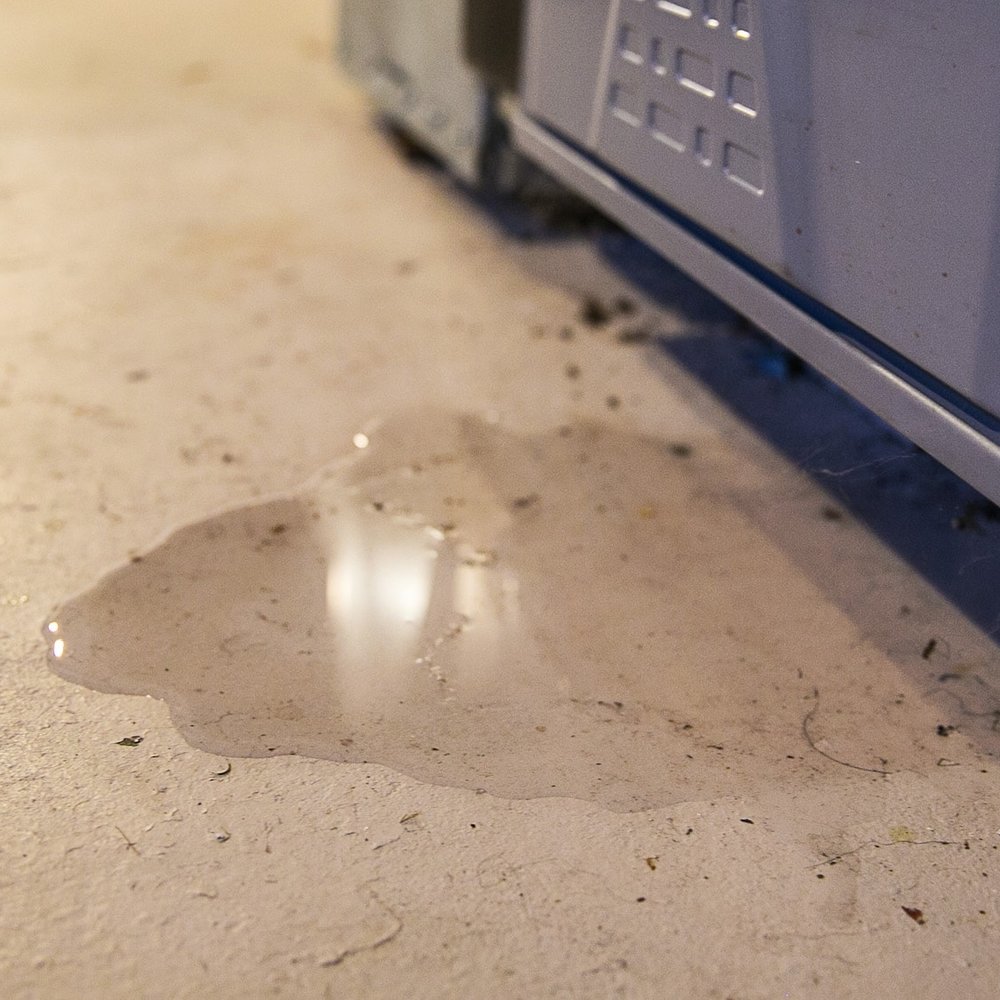
A: No, that is definitely not normal and should be addressed quickly to prevent water damage. Your air conditioner doesn’t just cool the air; it also removes humidity. This moisture is collected and drained away through a condensate line.
- Potential Causes: In a humid climate like ours here at the shore, that drain line can become clogged with algae and sludge over time, causing water to back up and overflow.
- Signs to Look For: A puddle of water around the indoor unit or an automatic shutdown of your system (many units have a float switch that turns the AC off if it detects a clog).
- How Our Technicians Fix It: Our team uses specialized tools to completely clear the blockage from your condensate drain line. We then flush the system to ensure it’s draining properly, protecting your home from water damage.
Your Local Experts are Here to Help
While changing your air filter every 1-3 months can prevent many of these common issues, some problems require a professional touch. If your AC isn’t keeping you cool, you can trust the expert team at Oceanside Home Services Heating, Cooling, Plumbing & Electrical
Contact us today to schedule your air conditioning appointment and get your home comfortable again.