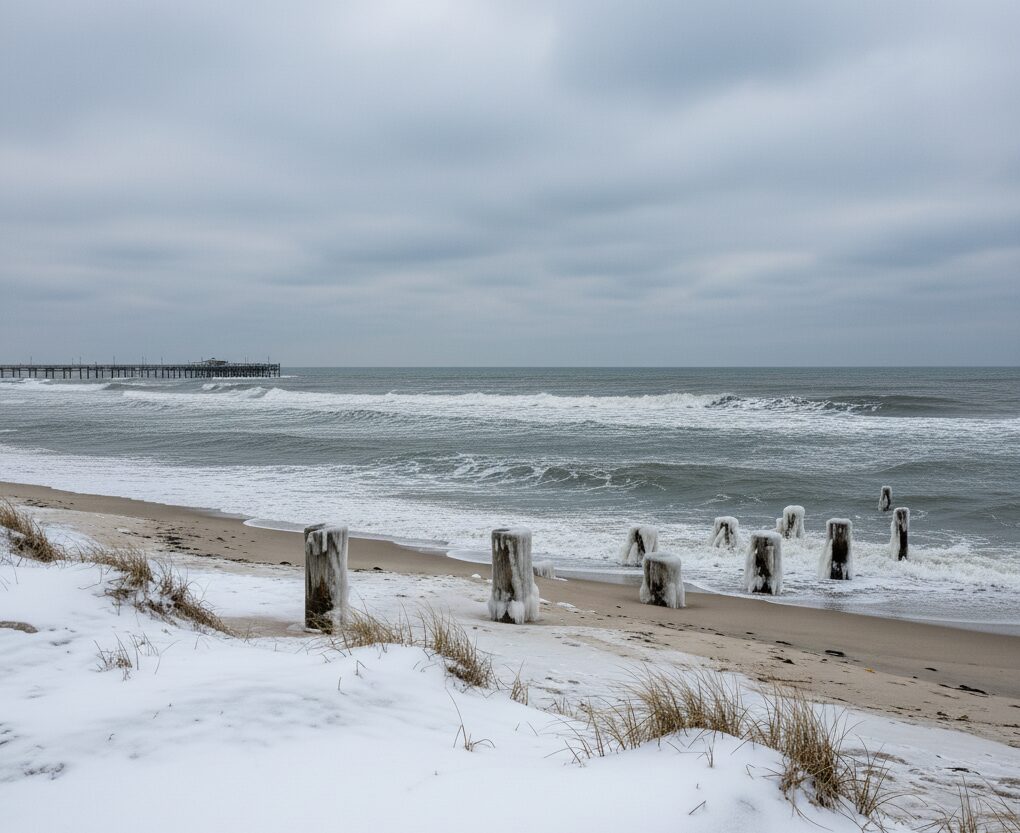

Fall at the Jersey Shore is a great time of year. The crowds thin out, the beaches get quiet again, and the weather is often the best of the year. It is also the start of a stretch that puts real stress on coastal homes. Hurricane season runs through the end of November, and nor’easter season picks up right behind it, bringing wind-driven rain, coastal flooding, and power outages that can last for days.
Most fall storms are not dramatic, but they do not need to be. A few hours without power on a cold night, a sump pump that fails during a heavy downpour, or a heating system that quits in the middle of a nor’easter can each lead to costly repairs. Nearly all of these problems can be caught ahead of time with a little attention in the fall.
If you live year-round in Long Branch, Asbury Park, Eatontown, Rumson, or anywhere along the Monmouth and Ocean County coast, here is how to use the fall to get your home ready for storm season and the winter that follows.
Why Fall Prep Looks Different at the Shore
Homes a few miles inland mostly need to worry about the cold. Coastal homes deal with more:
- Salt air that spent the summer coating your outdoor AC unit, hose bibs, and exterior fixtures
- Wind-driven rain that finds its way into basements and crawl spaces
- Coastal and street flooding during high tides and storm surge
- Power outages from high winds that knock out heat and sump pumps at the same time
The good news is that most of the work can be done in a few weeks this fall, while the weather is still mild and service schedules are still open.
Step 1: Undo What Summer and Salt Air Left Behind
Rinse and Service Your Outdoor AC Unit
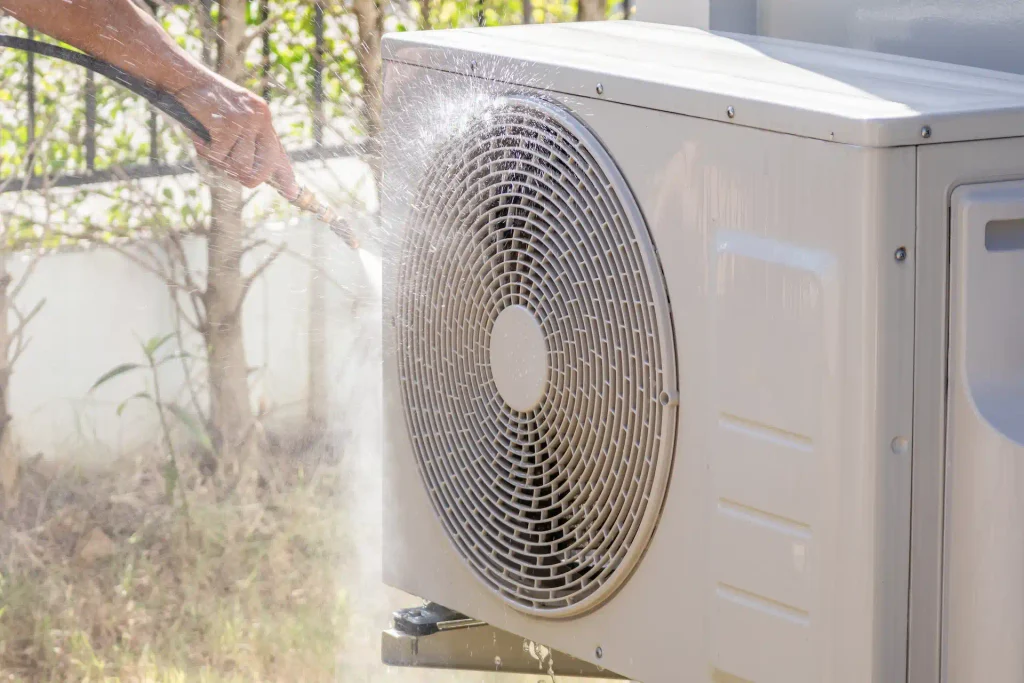
Your outdoor unit spent months pulling in salty ocean air. Salt that sits on the coil and cabinet all winter keeps corroding the metal. Turn off the power, gently rinse the unit with fresh water, and clear away leaves and sand. Skip the full plastic wrap, which traps moisture against the metal.
If your system struggled this summer, schedule AC maintenance now. Fixing corrosion and worn parts in the fall costs less than an emergency repair in next summer’s first heat wave.
Shut Down Outdoor Showers and Hose Bibs
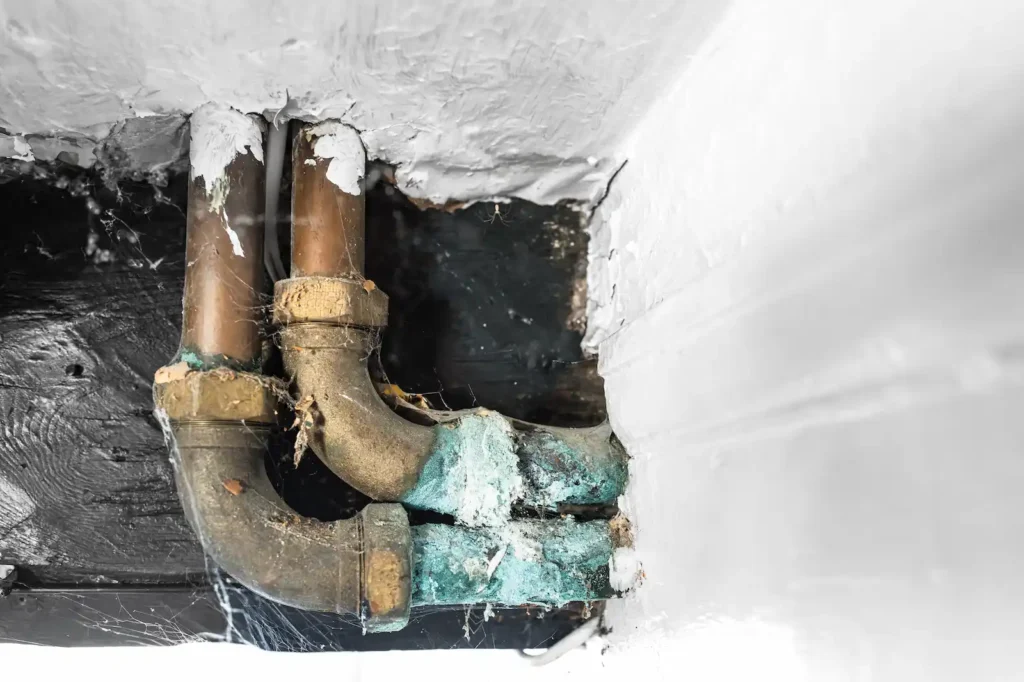
Outdoor showers and spigots are some of the first fixtures to freeze and split. Close the indoor valve that feeds each one, open the fixture to drain it, and disconnect every hose. While you are there, look for stiff handles, drips, or crusty fittings. These are signs of salt corrosion, which we cover in our post on salt air and your pipes.
Step 2: Make Sure Your Heat Is Storm-Ready
Schedule a Fall Heating Inspection
The worst time to find out your heater has a problem is during the first cold nor’easter of the season. A fall heating inspection cleans the system, tests ignition and safety controls, and checks the venting for leaks or blockages. Whether you have a furnace, a boiler, or a heat pump, our technicians can get it ready. Ask about our fall heating inspection special when you book.
Heat pumps at the Shore deserve extra attention. The outdoor unit runs all year and sits in salt air the whole time, so corrosion on the coil and electrical connections is common.
Replace the Filter and Test the Thermostat
Start the season with a fresh air filter and check it monthly. Then switch the thermostat to heat and make sure the system responds within a few minutes. A Wi-Fi thermostat can alert you if your home’s temperature drops while you are away during a storm. Our team handles thermostat installation and repair.
Step 3: Keep Water Out
Test Your Sump Pump and Add a Backup
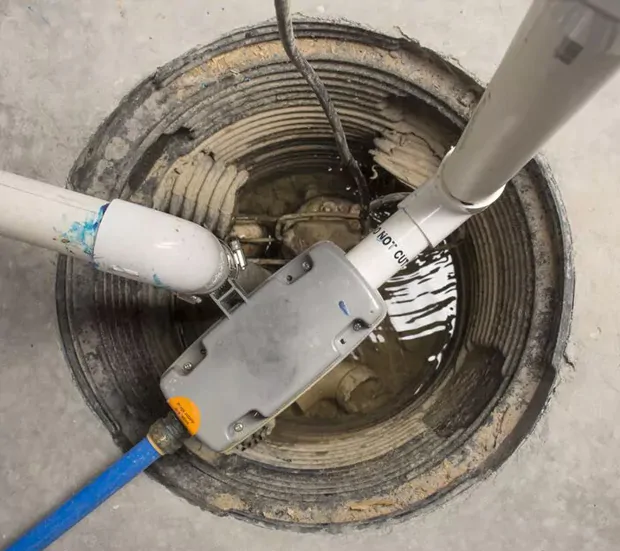
For many Shore homes, the sump pump is the most important piece of storm equipment in the house. Test it now by pouring a bucket of water into the pit. It should turn on, empty the pit, and shut off on its own. Make sure the discharge line is clear and drains well away from the foundation.
The bigger risk is a power outage. Storms that knock out power are the same storms that send water into basements. A battery backup keeps the pump running when the power goes out. Our team handles sump pump service, replacement, and backup installation.
Clean Gutters and Extend Downspouts
Once most of the leaves have fallen, clean your gutters and make sure downspouts carry water several feet away from the house. Clogged gutters during a nor’easter dump water right next to your foundation.
Protect Pipes in Crawl Spaces
Many Shore homes have crawl spaces or raised foundations that leave pipes exposed to cold wind off the ocean. Insulate exposed supply lines and make sure crawl space vents and access doors close tightly. A plumbing inspection can find corroded valves and weak spots before freezing weather does. If a pipe does freeze or burst, call for frozen and burst pipe repair right away.
Step 4: Plan for Power Outages
Consider a Whole-House Generator
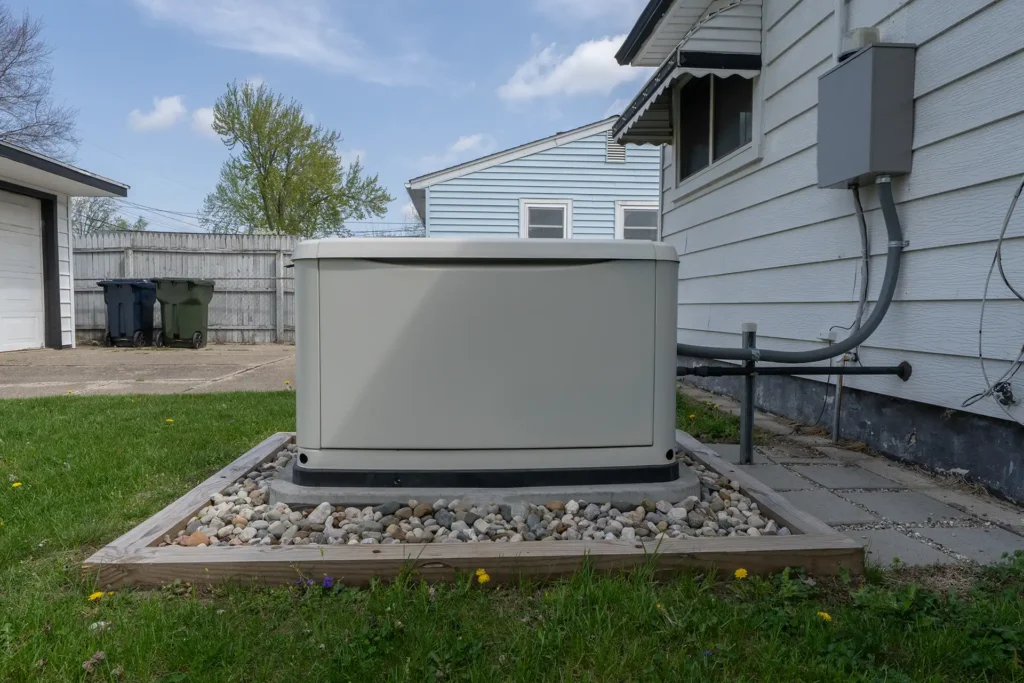
When the power goes out at the Shore, it often takes your heat, your sump pump, and your refrigerator with it. A standby generator turns on by itself within seconds and keeps those systems running until power returns. Fall is the right time to plan one, before storm season is in full swing. Learn more about our whole-house generator services.
Use Portable Generators Safely
If you rely on a portable generator, never run it inside your home, garage, or basement, even with the door open. Keep it outside and well away from windows, doors, and vents. Generator exhaust is a leading cause of carbon monoxide poisoning during storm outages.
Add Surge Protection and Check Your Panel
When power comes back after an outage, the surge can damage furnace controls, thermostats, and appliances. Whole-home surge protection guards every circuit at once. If your panel is older or shows signs of rust from the salt air, an electrical inspection can tell you whether it needs attention.
Test Smoke and CO Detectors
Heating season and storm season both raise the risk of carbon monoxide in the home. Test every detector, replace the batteries, and replace any unit past its expiration date. Make sure there is a CO detector on every level and near sleeping areas. We offer smoke and CO detector installation.
Step 5: Know What to Do During and After a Storm
A little planning now makes storm day less stressful:
- Know where your main water shutoff and gas shutoff are, and make sure they turn
- Keep phones and flashlights charged when a storm is in the forecast
- Move valuables and electronics off basement floors
- Keep outdoor HVAC equipment clear of loose furniture and debris that wind can throw
After a storm, be careful with any equipment that sat in floodwater. Do not turn on a furnace, boiler, water heater, or electrical panel that got wet until a professional has inspected it. Flooded equipment can be a fire, shock, or gas hazard even after it dries out. If you smell gas, leave the house and call for help right away. Our team handles gas line repair and emergency plumbing when you need it.
Your Fall Storm Prep Checklist
- Rinse salt off the outdoor AC unit and schedule maintenance if needed
- Shut down and drain outdoor showers and hose bibs
- Schedule a fall heating inspection
- Replace the air filter and test the thermostat
- Test the sump pump and add a battery backup
- Clean gutters and extend downspouts
- Insulate crawl space pipes
- Plan for backup power and add surge protection
- Test smoke and CO detectors
- Locate your water and gas shutoffs
Frequently Asked Questions
When is nor’easter season at the Jersey Shore?
Nor’easters can happen any time from fall through early spring. Hurricane season also runs through November 30, so fall is when both types of storms can affect the Shore.
When should I schedule fall heating maintenance?
October is ideal. The summer rush is over, and your system will be inspected before the first cold storm of the season.
Can I use my heating system after a flood?
Not until it has been inspected. Water can damage controls, burners, and wiring in ways that are not visible, and running flooded equipment can be dangerous.
Is there an easier way to keep up with seasonal maintenance?
Our Preferred Partner Plan includes annual inspections and priority scheduling, which helps a lot when storms hit and everyone needs service at once.
Get Your Home Ready With Oceanside
Oceanside Home Services handles heating, cooling, plumbing, and electrical, so one visit can cover most of this list. We serve Long Branch, Asbury Park, Eatontown, Rumson, Deal, and communities along the Jersey Shore.
Call (732) 531-1523 or contact us online to schedule your fall visit. See all of our current specials before you book.